

HAUSA
Folklore Imaginaries
Hausa culture possesses one of the richest bodies of oral literature in West Africa, encompassing centuries of storytelling, history, and moral instruction. From ancient tales to the chronicles of scholars, rulers, warriors, artisans, and cultural icons, the Hausa world has long relied on narrative traditions to preserve wisdom and identity. Today, many of these stories face the risk of fading due to modernization, urbanization, and the diminishing role of traditional oral transmission. Young audiences rarely encounter these authentic narratives or understand the historical contexts that shaped Hausa society.
The Hausa Folklore Imaginaries seeks to revive, document, and creatively present stories drawn from folklore, verified historical events, and biographical accounts of influential figures who contributed to Hausa culture across the precolonial and postcolonial periods. Through visually compelling storytelling and regular illustrated content, the project aims to make Hausa knowledge accessible, engaging, and relevant to contemporary audiences.
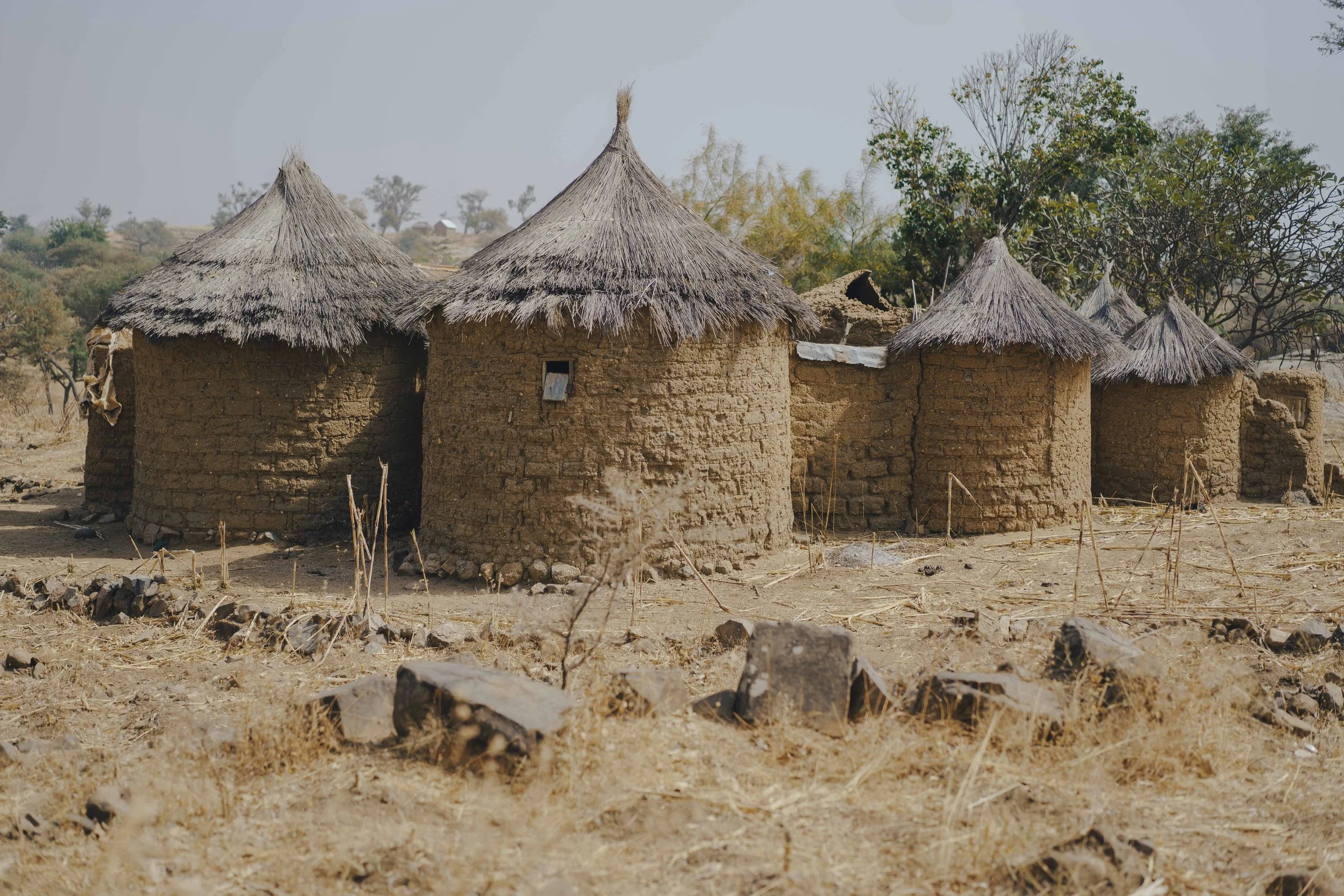
A Revival of Storytelling
The project aims to preserve Hausa folklore and cultural memory by reviving and documenting traditional stories, researching and validating historical events and personalities, producing monthly illustrated narratives, educating diverse audiences on Hausa history and values, and building a digital archive that spans multiple eras. Ultimately, the project seeks to strengthen cultural literacy while showcasing the depth and diversity of Hausa identity.
The scope covers two major story sources: traditional Hausa folklore and oral traditions, including tales, myths, proverbs, riddles, and moral lessons; significant historical events ranging from the eras of Hausa city-states and their political systems to precolonial trade routes, societal structures, cultural practices, colonial transformations; and biographies of notable figures such as rulers, poets, scholars, warriors, artisans, merchants, influential women, and cultural custodians. Each story will blend factual history with creative narrative interpretation while preserving authenticity and cultural nuance.