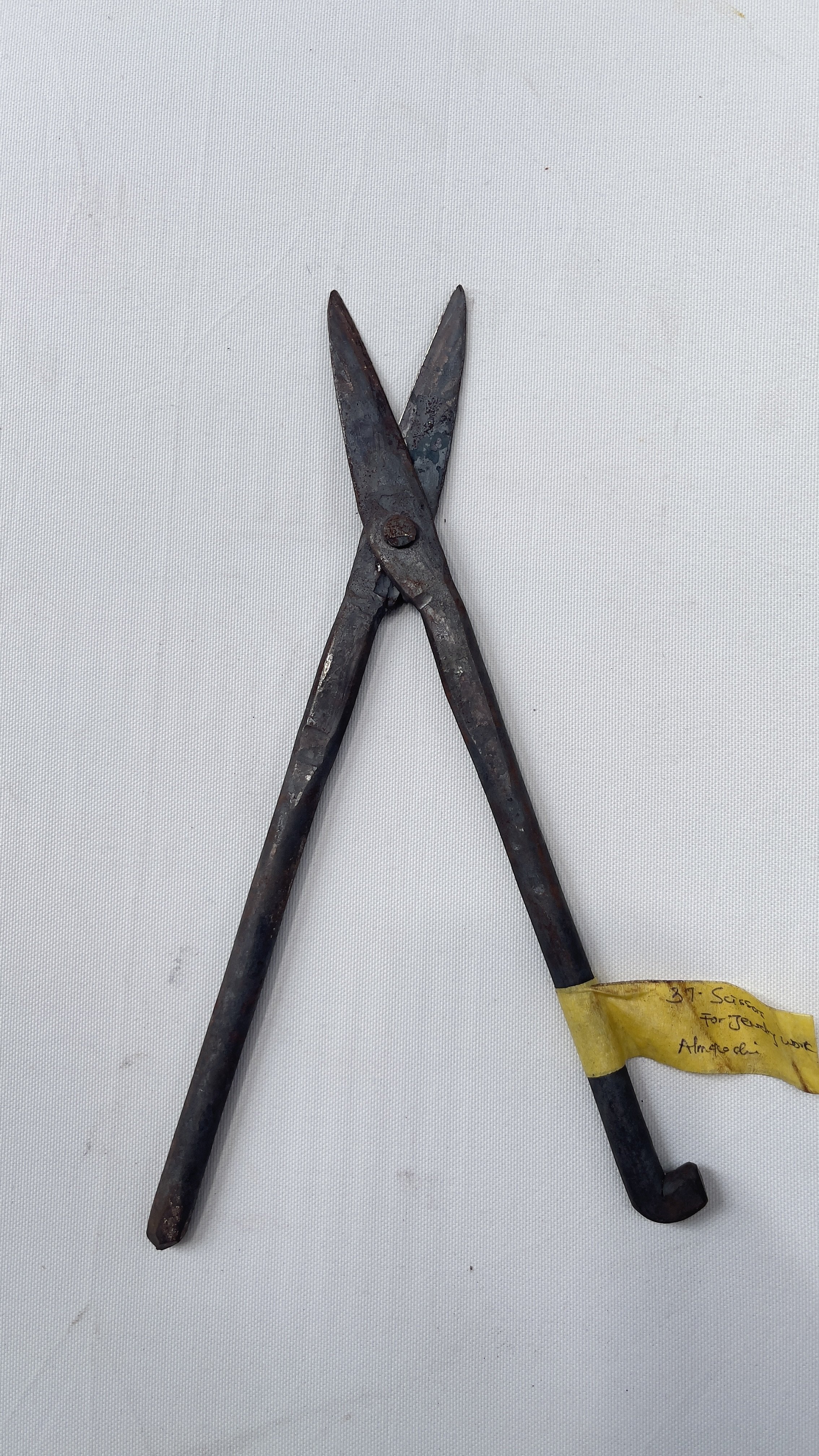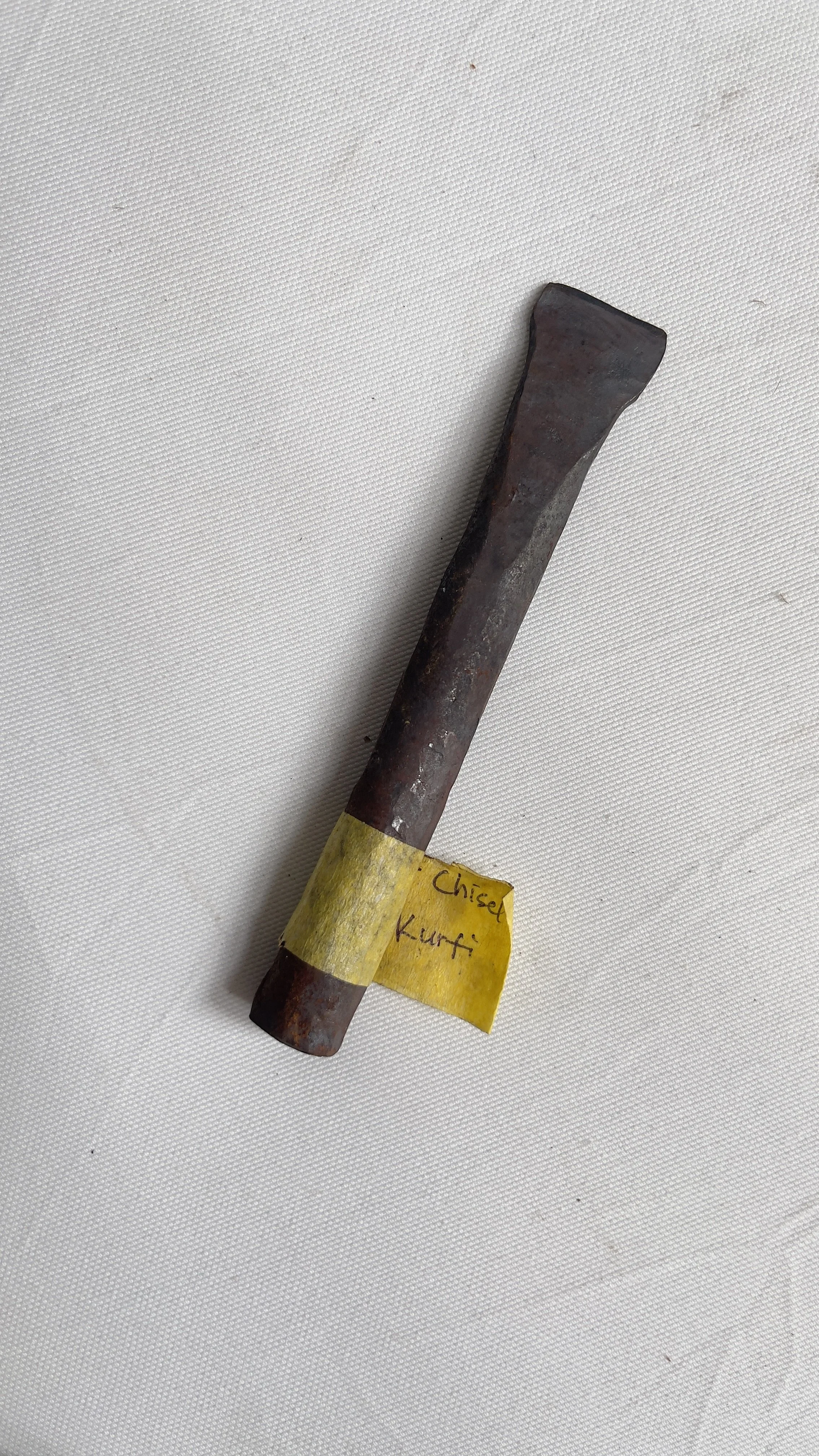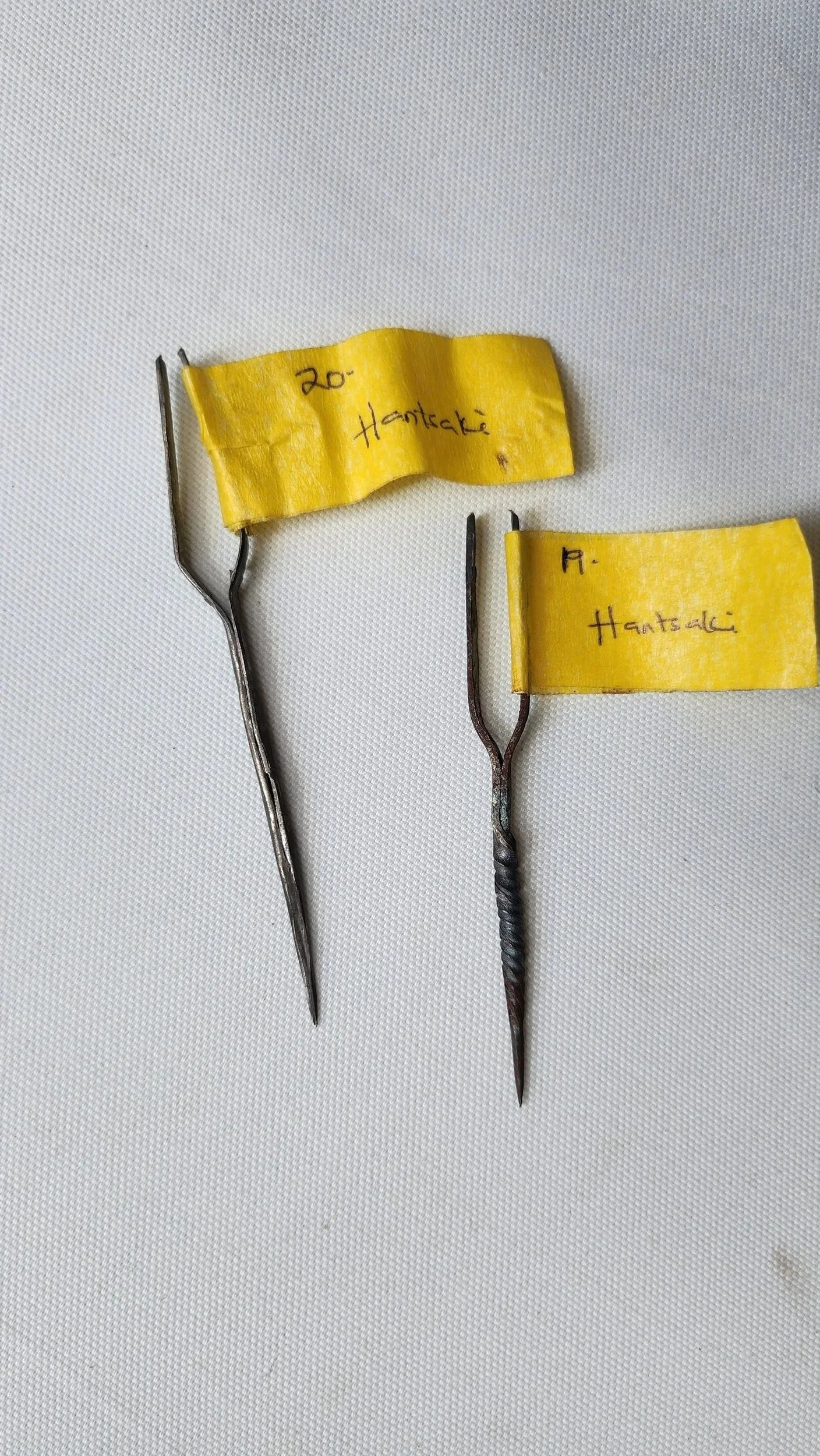

Featuring over 200 Historical Artifacts
The exhibition presents an expansive collection that captures the breadth and depth of blacksmithing traditions. These objects; ranging from finely crafted weaponry and sturdy agricultural implements to elegant household items and intricate royal adornments—highlight the centrality of metalwork in sustaining everyday life while shaping broader social, political, and cultural realities. Each piece is carefully curated to illuminate how blacksmiths contributed to the resilience of Hausa communities, forging tools that supported agriculture, weapons that defended kingdoms, and symbols of prestige that affirmed the authority of rulers and elites.
-
Explore
-
Conversations that Unfold
-
Information available at the end of this page.
02/26
Blacksmiths in Hausa Societies
For centuries, blacksmiths have occupied a central and revered position within Hausa societies across West Africa, particularly in countries such as Nigeria, Niger, Mali, Burkina Faso, Ghana, and Senegal. Dating back at least two to three centuries, their craft was not merely a technical skill but a vital pillar of economic, social, and political life. As masters of fire and metal, blacksmiths provided indispensable tools and services that sustained agriculture, facilitated trade, ensured security in times of war, and supported the cultural fabric of their communities.
Trade was another sphere in which blacksmiths were highly influential. Hausa societies were deeply embedded in trans-Saharan and regional trade networks, where metal goods, including weapons, jewelry, horse equipment, and agricultural tools, were valuable commodities. Blacksmiths’ ability to produce high-quality iron products made them indispensable contributors to commerce. They provided items that were both locally needed and regionally traded, fostering economic interdependence across diverse West African societies. In many Hausa towns, the blacksmith’s forge became a hub of economic activity, linking urban centers with rural communities and reinforcing the Hausa reputation as skilled traders and intermediaries.
At the broader societal level, blacksmiths functioned as service providers across all tiers of society. From peasants who relied on their farming implements, to merchants who traded their wares, to rulers who depended on their weapons for protection and conquest, blacksmiths catered to every layer of the social hierarchy. Their craft unified economic and social systems, bridging rural subsistence economies with urban and political elites.
Preview